

What Blood Tests Does a Sick Dog Need?
Not every sick dog needs every test. The core blood panel, the extra tests we add for fever, vomiting, thirst or bleeding, and how same-visit results change treatment in Pune's tick-fever season.
· 3 min read
Updated
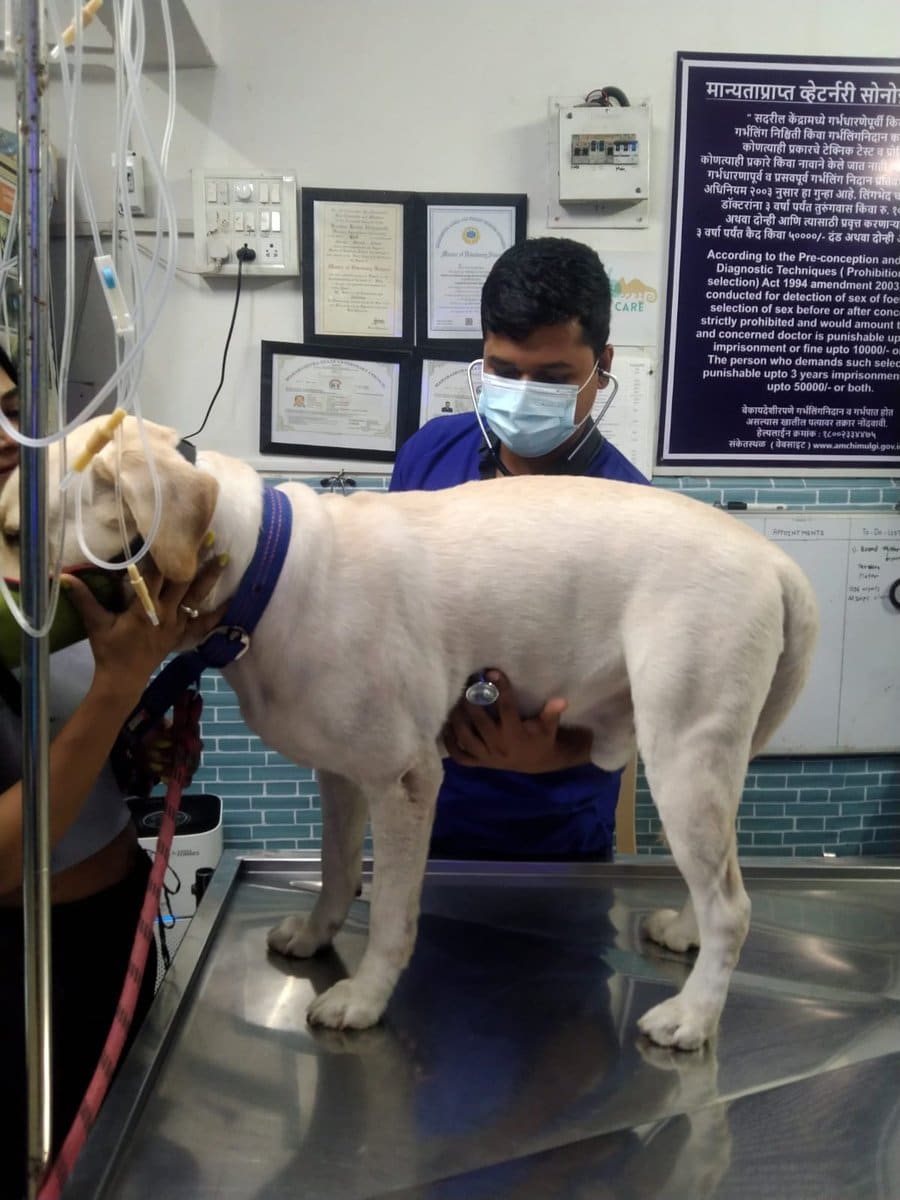
When a dog is unwell, the physical examination tells us a lot, but it can't show low platelets, failing kidneys or a dangerous electrolyte imbalance. Blood tests fill that gap. The aim is not to run everything. It is to run the tests whose answers will change what we do today.
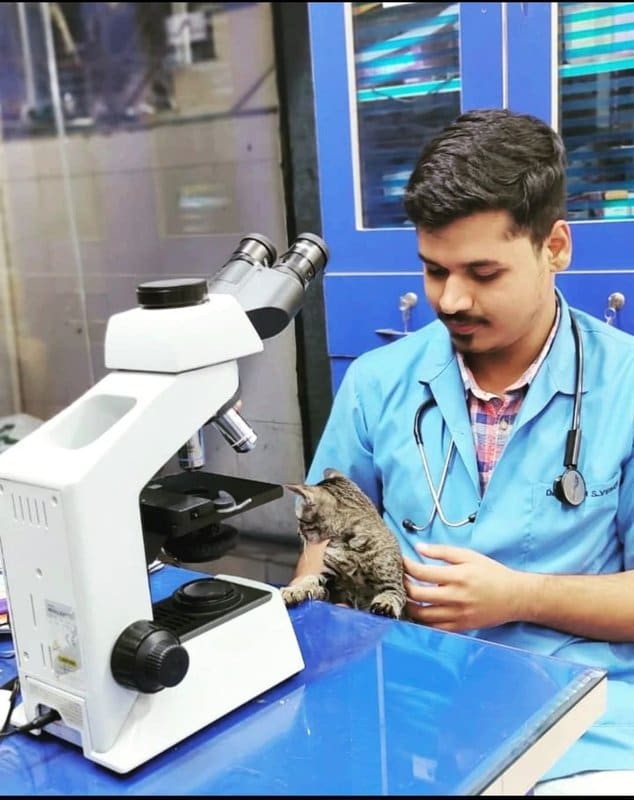
At Shivraj Pet Clinic & Lab, CBC and biochemistry are processed in our in-house lab, with results in about 15–20 minutes.
The core panel
Complete blood count (CBC)
- Platelets: low platelets are the most common lab clue to tick fever (Ehrlichia, Anaplasma) in Pune and PCMC dogs. We check this in almost every dog with a fever.
- Red cells: anaemia from Babesia, hookworms, bleeding, or chronic disease.
- White cells: very high counts can mean a serious bacterial infection, such as pyometra (infected uterus) in an unspayed female. Very low counts in a vomiting puppy suggest parvovirus.
Biochemistry
- Kidney values: dehydration, kidney infection or failure, and leptospirosis after the monsoon.
- Liver values: hepatitis, toxins, tick fever, or medicine side effects.
- Glucose: diabetes (high) or sepsis and toy-breed puppy hypoglycaemia (low).
- Proteins: low albumin with diarrhoea or kidney disease; high globulin in chronic infections.
- Electrolytes: corrected with the right fluids in vomiting and diarrhoea.
What we add for specific problems
| Symptom | Likely additions |
|---|---|
| Fever, dullness, low appetite | Blood smear for Babesia and Ehrlichia; rapid tick-fever antibody kit if needed |
| Vomiting or bloody diarrhoea in a puppy | Parvovirus rapid test, faecal exam |
| Drinking and urinating much more | Urinalysis with urine concentration; cortisol tests (sent out) if Cushing's is suspected |
| Jaundice (yellow gums or eyes) | Bilirubin, liver panel, blood smear, leptospirosis testing |
| Bleeding, bruises, nosebleed | Platelets, smear; clotting assessment if rat poison is possible |
| Unspayed female, off food, drinking more, weeks after heat | CBC + ultrasound or X-ray for pyometra |
| Weakness after the monsoon, red eyes, jaundice | Leptospirosis tests, kidney and liver values |
Why same-visit results matter
Imagine a 4-year-old Labrador from Wakad with fever and no appetite. Without testing, the usual home "fever injection" may bring the temperature down for a day. With a CBC in the clinic, we may see a platelet count far below normal. That changes everything: the dog starts the right antibiotic today, avoids medicines that worsen bleeding, and the owner knows exactly what warning signs to watch for.
Before you come in
- For routine checks, fast your dog for about 8–12 hours (water is fine). For a dog that is already sick and not eating, come in as you are.
- Bring a list of all medicines given in the last two weeks, including home remedies and anything from a pharmacy.
- Bring previous reports. A trend is often more informative than a single value.
Frequently Asked Questions
Do you need to repeat blood tests during treatment?
Often, yes. In tick fever, a repeat CBC shows whether platelets are recovering. In kidney problems, repeat kidney values guide how long fluids continue.
My dog is scared of needles. Is blood collection painful?
It's a quick prick, similar to a vaccination. We use gentle restraint and treats, and most dogs barely notice.
What will it cost?
Consultation is ₹300. We explain which tests we recommend and their cost before going ahead.
Keep reading