

Can Dogs Eat Rice, Milk or Curd?
Curd-rice and doodh-roti are traditional dog meals in India, but are they enough? What rice, milk and curd each offer, who should avoid them, and why a 'ghar ka khana' diet often falls short.
· 3 min read
Updated
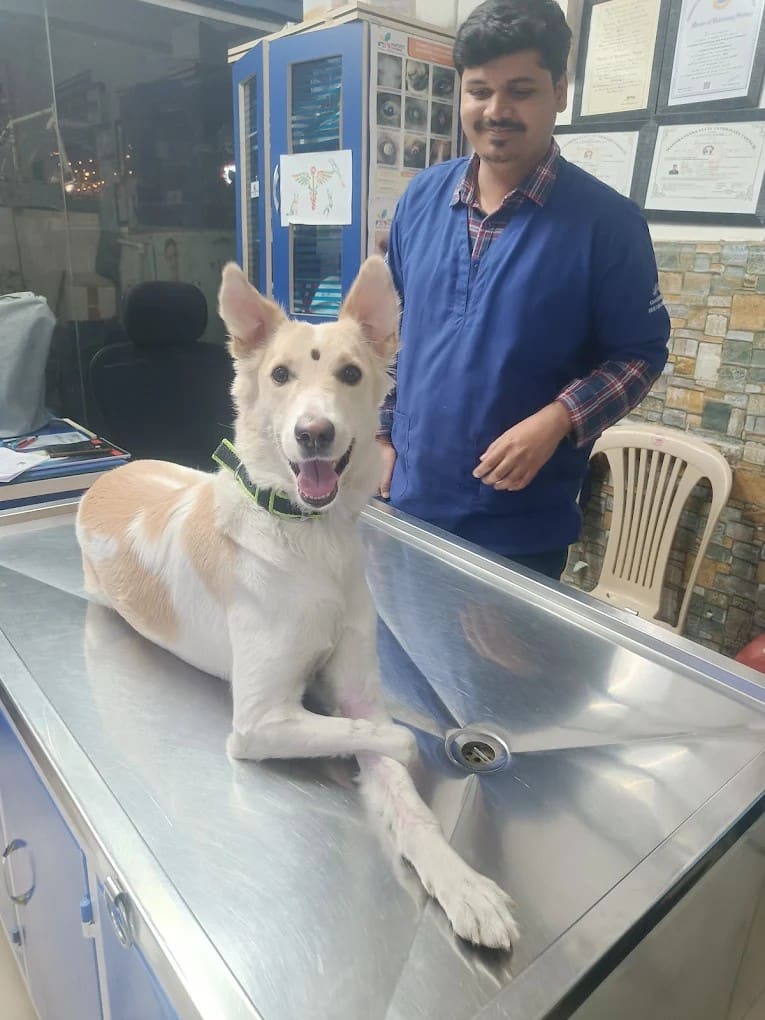
In many Indian homes, dogs have grown up on doodh-roti or dahi-chawal. These foods aren't poisonous, and in moderation they're fine for most dogs. The problem is when they make up most of the diet. Dogs fed mainly on rice, roti and milk usually lack protein, calcium balance, essential fatty acids and several vitamins. We see the results as poor coats, weak growth in puppies and skin problems.
Rice
Safe: yes, cooked and plain.
- Plain boiled white rice is easy to digest and is often part of a short-term bland diet for upset stomachs (with boiled chicken or scrambled egg).
- Brown rice has more fibre but can be harder on sensitive stomachs.
- Don't feed rice cooked with onion, garlic, heavy oil or masala (pulao, biryani, fried rice).
- For diabetic or overweight dogs, large amounts of rice aren't ideal.
Milk
Safe: depends on the dog.
- Most dogs lose much of their ability to digest lactose after weaning. In many adult dogs, milk causes gas, loose stool or diarrhoea.
- Puppies must not be given cow or buffalo milk as a replacement for their mother's milk. It's too low in fat and protein and too high in lactose. Use a puppy milk replacer if one is needed.
- If your adult dog tolerates a little milk with no tummy upset, a small amount occasionally is acceptable. It is not necessary for health.
Curd (dahi)
Safe: usually yes, in small amounts.
- Fermentation reduces lactose, so curd is tolerated better than milk.
- Plain, unsweetened home-set curd is best. Avoid flavoured or sweetened yoghurt, and especially any containing xylitol, which is toxic to dogs.
- A spoonful or two mixed with food is fine for most dogs. It is a treat, not a probiotic cure for diarrhoea.
Why curd-rice alone isn't a complete diet
A typical bowl of curd-rice or doodh-roti for a 25 kg dog provides plenty of carbohydrate but:
- Too little protein, especially high-quality animal protein.
- Imbalanced calcium-to-phosphorus, which is a particular risk for growing large-breed puppies.
- Missing omega fatty acids, zinc, vitamin E and B vitamins, leading to dry, flaky skin and hair loss.
If you prefer home-cooked food, it can be done well, but it needs a balanced recipe: a protein source (chicken, eggs, fish or paneer), carbohydrate, vegetables, a fat source, and a vet-recommended calcium and vitamin-mineral supplement. Ask us to help plan it for your dog's weight and age.
Signs a dog's diet isn't working
- Dull, dry coat, dandruff, hair thinning
- Repeated ear or skin infections
- Poor muscle, visible ribs or a pot belly in puppies
- Bowed legs or weak growth in large-breed puppies
- Large, soft, frequent stools
Frequently Asked Questions
Is ghee good for my dog's coat?
A small amount isn't harmful for most dogs, but ghee is pure fat and can trigger pancreatitis or weight gain. Fish oil is a better choice for skin and coat, in the right dose.
My dog has diarrhoea. Should I give curd-rice?
Plain rice with a little plain boiled chicken is usually better than curd-rice during diarrhoea. If diarrhoea lasts over 24–48 hours or there's blood or vomiting, see a vet.
Can I give buttermilk (chaas) in summer?
Plain, unsalted, unspiced buttermilk in small amounts is fine for dogs that tolerate dairy. Fresh water should always be the main drink.
Keep reading