

Arthritis in Dogs: Early Signs and Treatment Options
Most dogs with arthritis don't cry or limp at first. They hesitate on the stairs and sleep more. The early signs, how X-ray confirms it, and the treatments that keep older dogs moving.
· 3 min read
Updated
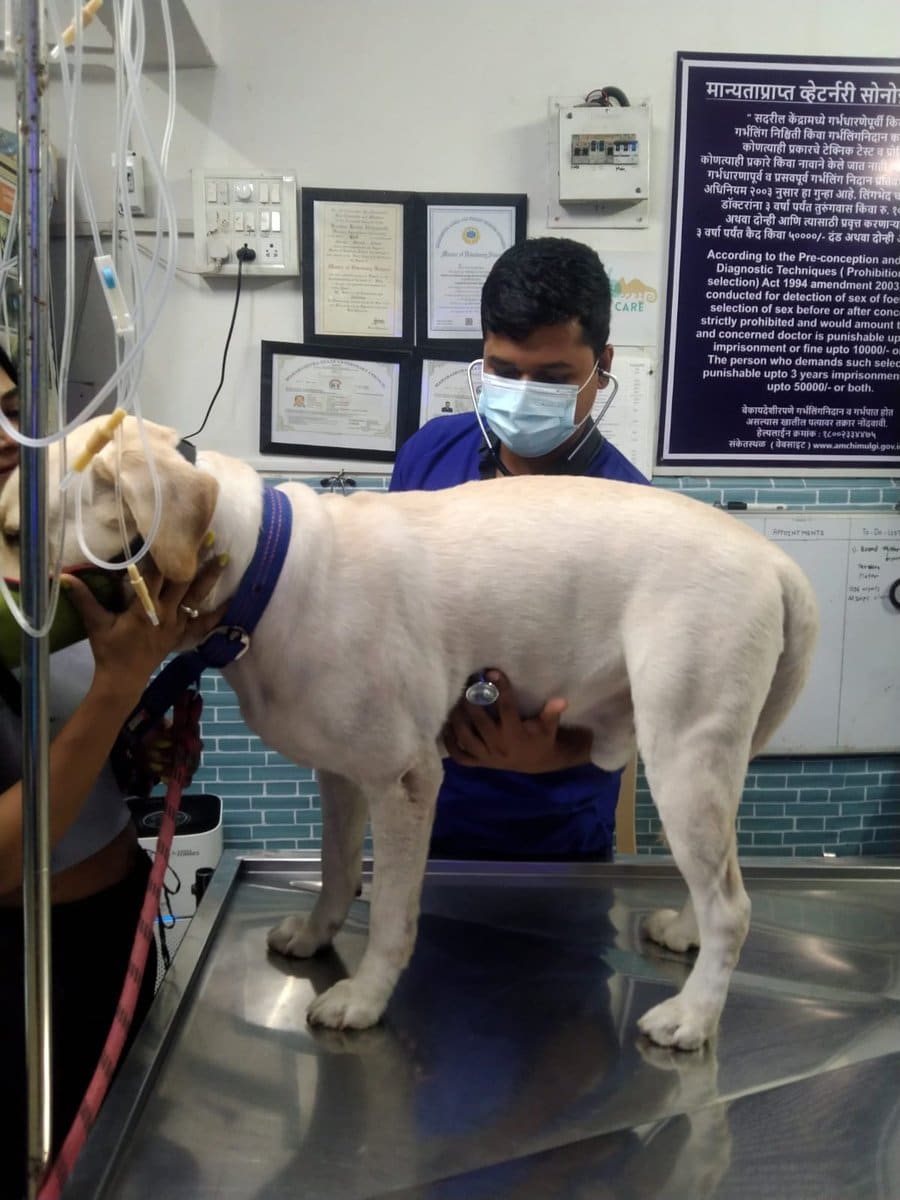
Arthritis (osteoarthritis) is slow wear and inflammation inside a joint. It is one of the most under-diagnosed problems in older dogs, because dogs rarely complain. Most owners put the changes down to "just getting old" until the dog suddenly cannot manage.
In Pune flats, the earliest sign is often stairs: a dog who used to race up to the second floor now waits on the landing, or takes the steps one at a time.
Early signs to watch for
- Stiffness after rest that eases after a few minutes of walking.
- Hesitating before jumping onto the sofa or bed, or into the car.
- Slower on walks, lagging behind, or sitting down mid-walk.
- Sleeping more and getting up less to greet you.
- Licking one wrist or knee repeatedly.
- Irritability when touched over the hips or back.
- Muscle loss over the hind legs. The back end looks narrower than the front.
Large breeds such as Labradors, German Shepherds and Golden Retrievers often show signs from 7–8 years. Dogs with hip or elbow dysplasia, overweight dogs, and dogs with old injuries can show them much earlier.
How we diagnose it
A physical examination tells us a lot: range of motion, pain on flexing a joint, grinding (crepitus), and muscle symmetry. We confirm it with a digital X-ray in the clinic, which shows bone spurs, joint space narrowing and any underlying cause such as dysplasia or an old fracture.
Before starting long-term pain medication, we run kidney and liver blood values in our in-house lab. Most arthritis medicines are processed by these organs, and older dogs can have hidden kidney changes.
Treatment is a combination, not one tablet
1. Weight control. This is the most effective single measure. Even 10% weight loss in an overweight dog visibly reduces lameness. We give you a target weight and a feeding amount, not just "feed less".
2. Pain relief. Veterinary anti-inflammatory drugs (NSAIDs) designed for dogs are used at the lowest effective dose, with periodic blood checks. Never give human painkillers. Ibuprofen, diclofenac and paracetamol can cause stomach ulcers, kidney failure or liver damage in dogs.
3. Joint-supporting supplements. Omega-3 fatty acids (fish oil) have the best evidence. Glucosamine and chondroitin help some dogs. We'll advise on products and doses.
4. Exercise, little and often. Two or three 15–20 minute walks on level ground are better than one long weekend outing. Swimming is excellent where it is available. Avoid ball-chasing with sudden stops and twists.
5. Home changes. Non-slip mats or rugs on tiled and marble floors (very common in Pune homes, and very slippery for an arthritic dog), a firm orthopaedic bed, and a ramp or step for the car or sofa.
6. Advanced options. For selected dogs, especially those with knee or elbow arthritis who are not good candidates for long-term NSAIDs, we may discuss platelet-rich plasma (PRP) joint injections.
Frequently Asked Questions
Can arthritis be cured?
No. The joint changes are permanent, but pain and mobility can usually be improved a great deal, and the progression slowed.
Is it safe to keep my dog on pain medicine for a long time?
Many dogs take veterinary NSAIDs for years safely, with blood monitoring every few months. We adjust or change the drug if kidney or liver values change.
Is my dog too old for treatment?
Age alone is not the issue. A 13-year-old dog in pain often gains back months of comfortable life with the right plan.
Keep reading