

Cat Not Eating: How Long Is Too Long?
Unlike dogs, cats shouldn't fast. After 24 hours without food, and sooner for kittens and overweight cats, the risk of fatty liver disease rises. Common causes, what to try at home, and what we check.
· 3 min read
Updated
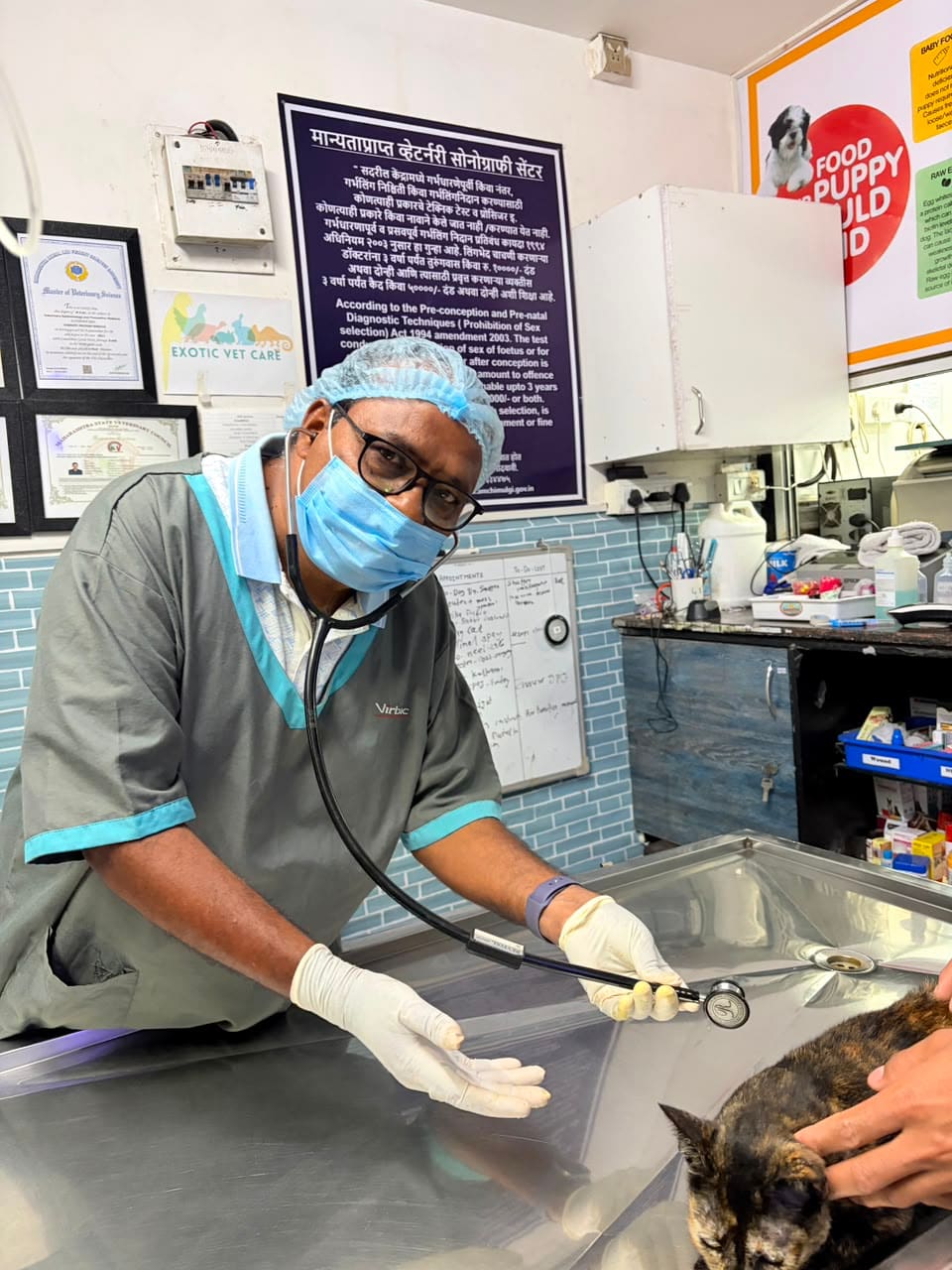
A cat that misses one meal may simply be fussy, too warm, or upset by a change at home. But cats are not built to go without food. When a cat stops eating, its body breaks down fat for energy and sends it to the liver. In cats, the liver can't process that fat quickly enough, and it builds up, causing hepatic lipidosis (fatty liver disease), a serious condition that can be fatal without treatment. Overweight cats are at the highest risk.
The timeline
| Situation | What to do |
|---|---|
| Kitten under 3 months not eating for 8–12 hours | Come in the same day |
| Adult cat skipped one meal, otherwise normal | Watch, and try the tips below |
| Adult cat not eating for 24 hours | Book a visit |
| Not eating for 24 hours plus vomiting, hiding, or not drinking | Come in the same day |
| Not eating for 2–3 days | Urgent: fatty liver risk is high |
| Not eating and straining in the litter box (especially males) | Emergency: possible urinary blockage |
Common reasons cats stop eating
- Mouth pain: tooth resorption, gum disease, mouth ulcers from cat flu
- Blocked nose from cat flu. Cats eat by smell, and if they can't smell food, they won't eat
- Nausea: kidney disease, liver disease, pancreatitis, hairballs, or medication
- Fever from infection or abscesses
- Stress: a new pet or baby, visitors, moving house, construction noise, festival crackers
- Food change or food that has gone stale, or a dirty bowl
- Urinary blockage in males
- Swallowed string or thread (common with kittens and sewing thread, tinsel, or rakhi threads)
- In older cats: kidney disease, hyperthyroidism, cancer
What to try at home first (only for an otherwise bright adult cat)
- Warm wet food slightly to body temperature, which releases smell.
- Offer a fresh pouch or tin with a strong smell, or a small amount of plain boiled chicken.
- Use a wide, shallow dish. Some cats dislike their whiskers touching deep bowl sides.
- Feed in a quiet place, away from other pets, the litter box, and noise.
- Wipe a blocked nose gently with a warm, damp cloth.
- Don't force-feed with a syringe without our advice. Cats can inhale food and develop pneumonia, and a bad experience makes food aversion worse.
What we check at the clinic
- Temperature, hydration, mouth, abdomen, and the bladder in males.
- CBC and biochemistry in our in-house lab (about 15–20 minutes), looking at liver values (ALT, ALP, bilirubin), kidney values and glucose.
- X-ray if we suspect a foreign body, or to assess liver size.
- Urinalysis, and further tests depending on what we find.
Treatment targets the cause, with anti-nausea medicine, pain relief, fluids and appetite stimulants. Cats with fatty liver may need assisted feeding through a feeding tube for some weeks. This sounds dramatic, but it's well tolerated, can be done at home, and saves lives.
Frequently Asked Questions
My cat eats treats but not her food. Is she okay?
She may be fussy, or she may have early nausea or mouth pain where only very tasty food tempts her. If her regular meals stop for over a day, get her checked.
Can stress alone stop a cat eating?
Yes, especially after moving house or a new pet joining the family. But stress can trigger fatty liver too, so don't wait more than 24 hours.
Should I give my cat an appetite medicine from the pharmacy?
No. Appetite stimulants should only be used after the cause is identified, and some are unsafe in cats with certain conditions.
Keep reading