

Care of Pet Birds: Common Mistakes That Make Birds Sick
Most illness we treat in budgies, cockatiels and parrots comes from a handful of everyday habits: an all-seed diet, kitchen fumes, ceiling fans, hot balconies and lonely cages. What to change, and why.
· 4 min read
Updated
Most of the sick birds we see at our Exotic Animal Centre aren't sick because of bad luck. They're sick because of a few common habits that seem harmless. The good news is that each of them is easy to fix.
Mistake 1: An all-seed diet
Seed mixes, especially sunflower-heavy ones, are like a diet of only chips. They're high in fat and very low in vitamin A, calcium and protein. Over months, this leads to:
- Respiratory infections (vitamin A deficiency damages the airway lining)
- Fatty liver and obesity, especially in budgies and Amazon-type parrots
- Egg binding and soft bones in females (calcium deficiency)
- Overgrown beaks and poor feathers
Fix: Move gradually towards a formulated pellet as the base (60–70% for most parrots, a little less for budgies and cockatiels), plus fresh vegetables daily (carrot, capsicum, broccoli, leafy greens, cooked sweet potato) and a little fruit. Keep seeds as treats and training rewards. Some birds take weeks to accept pellets. Mix them in gradually, and weigh your bird weekly during the switch.
Mistake 2: Keeping the bird near the kitchen
Birds have extremely efficient lungs, which also makes them extremely sensitive to fumes.
- Overheated non-stick (Teflon/PTFE) pans release fumes that can kill a bird within minutes.
- Tadka smoke, frying, and burnt food irritate airways.
- Mosquito vaporisers, coils, agarbatti, dhoop, room fresheners and aerosol sprays cause chronic breathing problems.
Fix: Keep the cage in a well-ventilated living area away from the kitchen. Switch to stainless steel or cast iron cookware if possible, and never leave non-stick pans heating empty.
Mistake 3: Free flight with ceiling fans on
Fan injuries are one of the commonest bird emergencies in Indian homes. Switch off every fan, close windows and doors, and check for gaps before letting a bird out of the cage. Mirrors and glass are also hazards. Put stickers on large windows.
Mistake 4: The hot balcony
Many cages hang on balconies. In April and May, Pune afternoons cross 38–40 °C, and a cage in direct sun can kill a bird with heatstroke. Signs include panting, open beak, wings held away from the body, and sitting on the floor. In the monsoon, wet and windy balconies cause chills and damp, mouldy food.
Fix: Shade at all times, good airflow, and bring the cage indoors during the hottest hours and heavy rain.
Mistake 5: Too small a cage, too little to do
Parrots are intelligent, social animals. A bird with nothing to do often starts plucking its feathers, screaming or becoming aggressive.
- The cage should be wide enough for the bird to fully stretch and flap its wings, with horizontal bars for climbing in parrots.
- Provide perches of different thicknesses (natural, untreated branches are ideal), which also helps prevent foot problems.
- Rotate toys weekly, offer foraging toys, and spend daily time with your bird.
- Budgies, cockatiels and lovebirds are flock birds and usually do better with a companion of their own species.
Mistake 6: Dirty water and food bowls
Seed husks on top of a bowl can hide the fact that it is empty. Stale water grows bacteria within a day in Pune's humid months. Fix: Wash bowls daily, refill fresh, and blow away husks to check the real food level.
Mistake 7: Waiting to see if the bird gets better
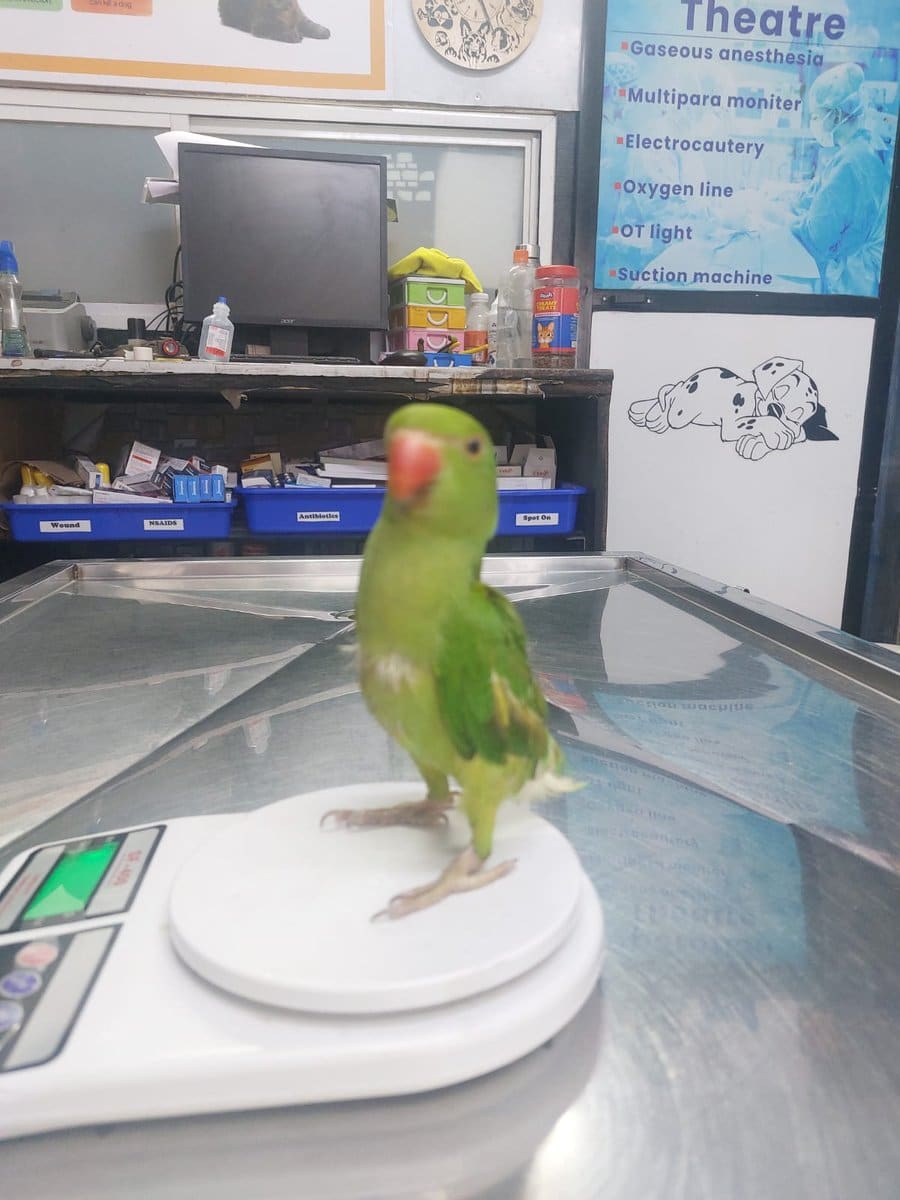
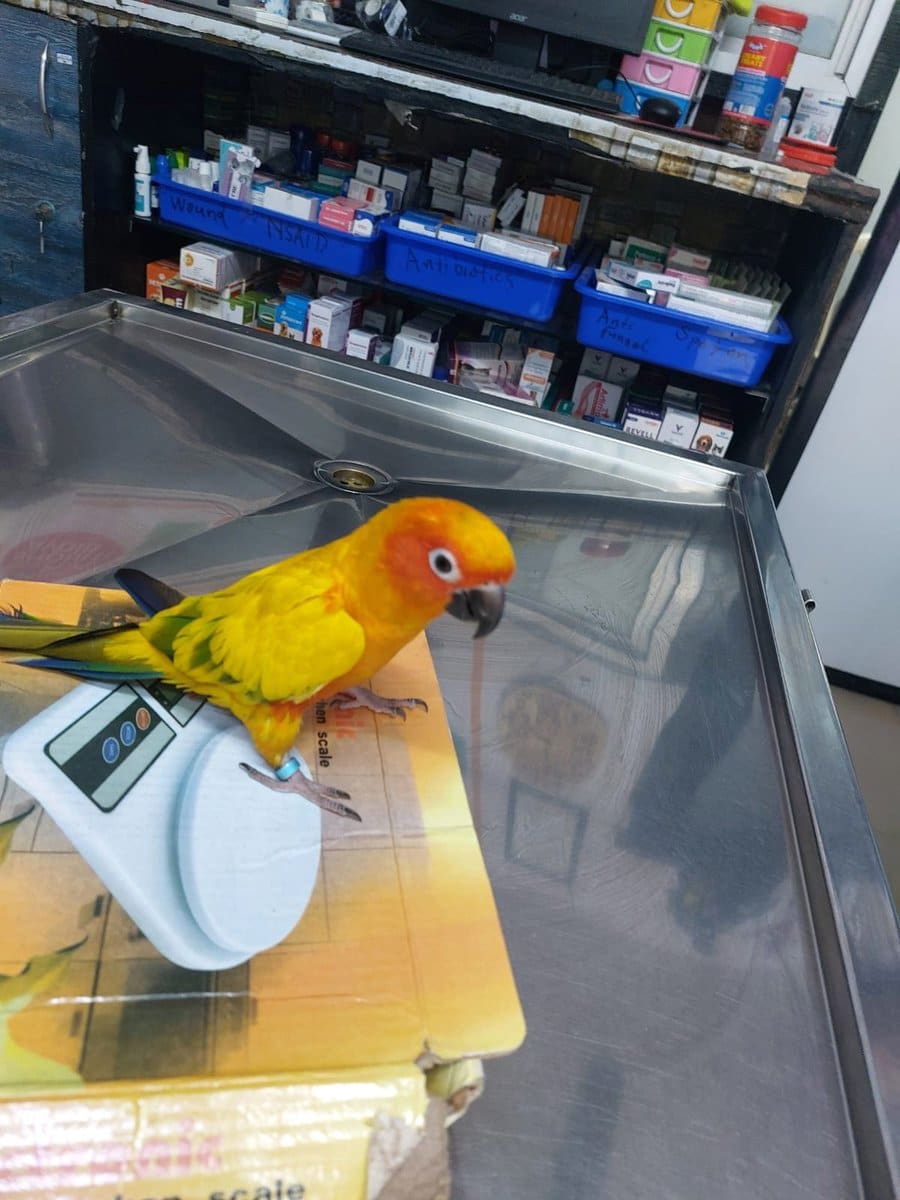
Birds hide illness. A fluffed-up bird sleeping more is already sick. Learn the early signs: changes in droppings, less chatter, sitting low, tail bobbing and weight loss. A kitchen gram scale is one of the best tools a bird owner can own.
Frequently Asked Questions
How often should my bird see a vet?
A check-up when you first get the bird, then once a year, including weight, beak, nails, a faecal test and a diet review.
Should I clip my bird's wings?
It depends on your home and the bird. Discuss it with us first. Poorly done clipping causes falls and chest injuries.
Is it legal to keep any parrot in India?
Native Indian birds, including Indian ring-necked and Alexandrine parakeets and munias, are protected under the Wildlife (Protection) Act and cannot legally be kept as pets. Budgies, cockatiels, lovebirds, African greys, conures and macaws are exotic species and can be kept legally, with any registration required under current government rules.
Keep reading