

Blood Biochemistry Tests for Dogs and Cats: What Do the Results Mean?
ALT, ALP, BUN, creatinine, glucose, albumin, electrolytes. A plain-language guide to your pet's biochemistry report, why one high value isn't always bad news, and when we repeat a test.
· 3 min read
Updated
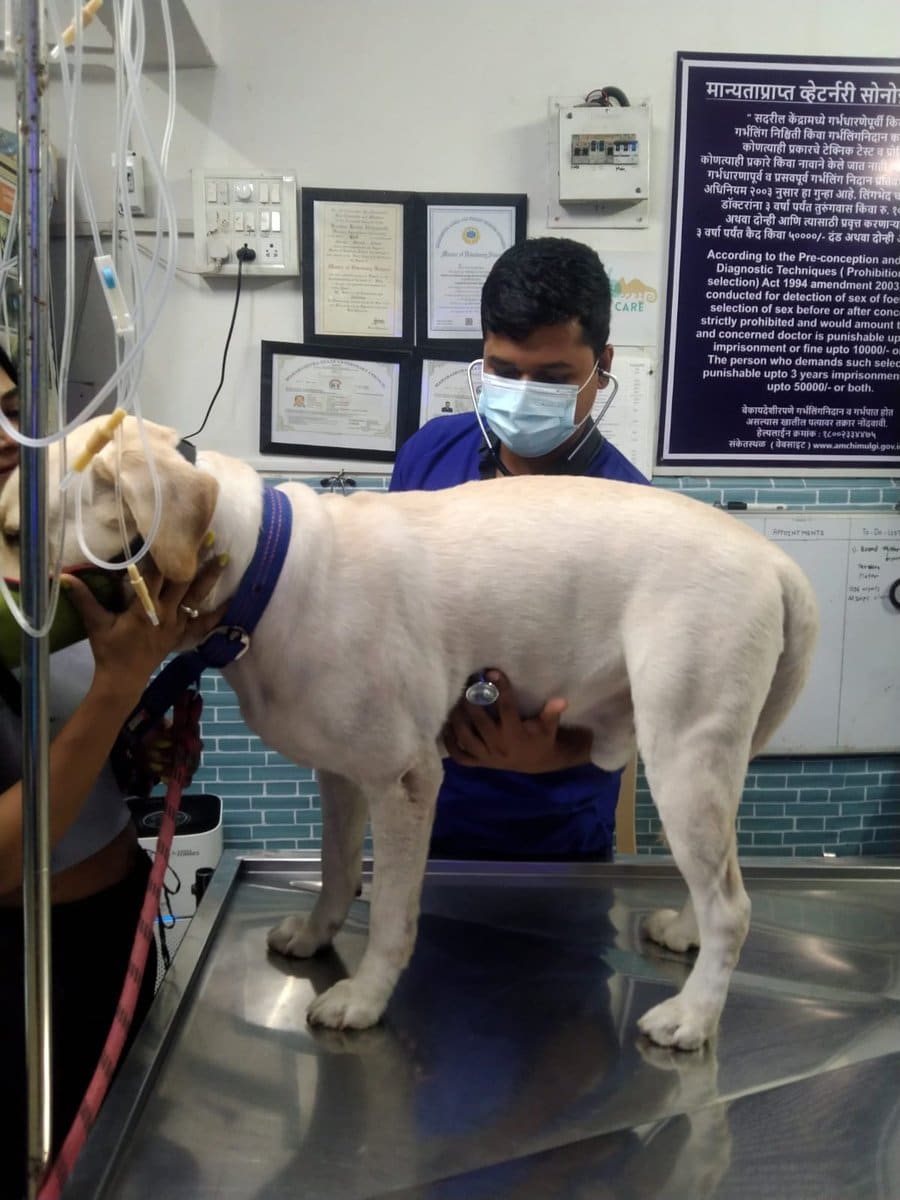
A biochemistry profile measures substances in the liquid part of the blood (serum or plasma). Together they show how the liver, kidneys and metabolism are working. At Shivraj Pet Clinic & Lab we run biochemistry in our in-house lab, with results in about 15–20 minutes, so we can go through the report with you during the same visit.
This guide explains what each common value means. One rule matters more than any single number: results are read together, and alongside the examination. One value slightly outside the range on its own is often not significant.
Liver values
| Test | What it reflects | Commonly raised by |
|---|---|---|
| ALT | Damage to liver cells | Hepatitis, toxins, some medicines, tick fever, poor blood supply to the liver |
| AST | Liver and muscle damage | Liver injury, or muscle injury after trauma or seizures |
| ALP | Bile flow and some hormone effects | Bile duct problems, steroid treatment, Cushing's disease, and normally higher in growing puppies |
| Bilirubin | Ability to clear pigment | Jaundice from liver disease or red cell destruction (e.g. Babesia) |
| Albumin | Protein made by the liver | Low in chronic liver disease, protein-losing gut or kidney disease, or poor nutrition |
Kidney values
| Test | What it reflects | Notes |
|---|---|---|
| BUN / urea | Waste filtered by the kidneys | Also raised by dehydration, a high-protein meal, or bleeding in the gut |
| Creatinine | Waste from muscle, filtered by the kidneys | Rises only when roughly two-thirds to three-quarters of kidney function is already lost. Muscular dogs run higher, thin cats lower. |
| Phosphorus | Mineral balance | Rises with advancing kidney disease; normally higher in young animals |
Because creatinine rises late, we often pair it with urine specific gravity from a urinalysis. Dilute urine with borderline creatinine can be the earliest sign of kidney disease.
Metabolism and electrolytes
- Glucose: high in diabetes. In cats it can also be raised briefly by the stress of a clinic visit. Low in toy-breed puppies that haven't eaten, in sepsis, or in some tumours.
- Total protein / globulin: high globulin can mean chronic inflammation or infection, such as chronic Ehrlichia in dogs.
- Sodium, potassium, chloride: shift with vomiting, diarrhoea and dehydration. High potassium with low sodium raises concern for Addison's disease. In a male cat that can't urinate, high potassium is dangerous to the heart.
- Calcium: high calcium in an older dog needs investigating (some cancers raise it). Low calcium after giving birth causes eclampsia: trembling and seizures in a nursing mother.
- Cholesterol / triglycerides: raised by a recent meal, hormone diseases and pancreatitis.
Why fasting matters
Food in the previous few hours can make the sample cloudy with fat (lipaemia), which interferes with several readings, and raises glucose and urea. For routine tests, fast adult dogs and cats for about 8–12 hours, with water allowed. Don't fast puppies, kittens, diabetic pets, or rabbits and other small exotic pets.
When we repeat a test
- A mildly abnormal value in a pet who feels well: we often repeat in 2–4 weeks to see the trend.
- During treatment: to confirm the liver or kidneys are recovering, or to adjust doses.
- On long-term medicines such as pain relief, seizure medicines or steroids: every few months.
Frequently Asked Questions
My dog's ALP is very high but she seems fine. Should I worry?
Not necessarily. Steroid medicines (including some ear and skin creams), age and hormonal disease all raise ALP. We look at the full picture, and may recommend further tests if it stays high.
Can the kidney values be normal even if there is kidney disease?
Yes, in early disease. That is why we combine blood values with urine testing and repeat them yearly in pets over 7.
Can I get the results on WhatsApp?
You'll receive a copy of in-house reports. Ask at the desk about the format that suits you.
Keep reading