

Bird Feather DNA Sexing in Pune: How to Find Out if Your Parrot Is Male or Female
Most parrots, cockatiels and lovebirds look identical whether male or female. How feather DNA sexing works, how we collect the sample, how long results take, and when knowing the sex really matters.
· 3 min read
Updated
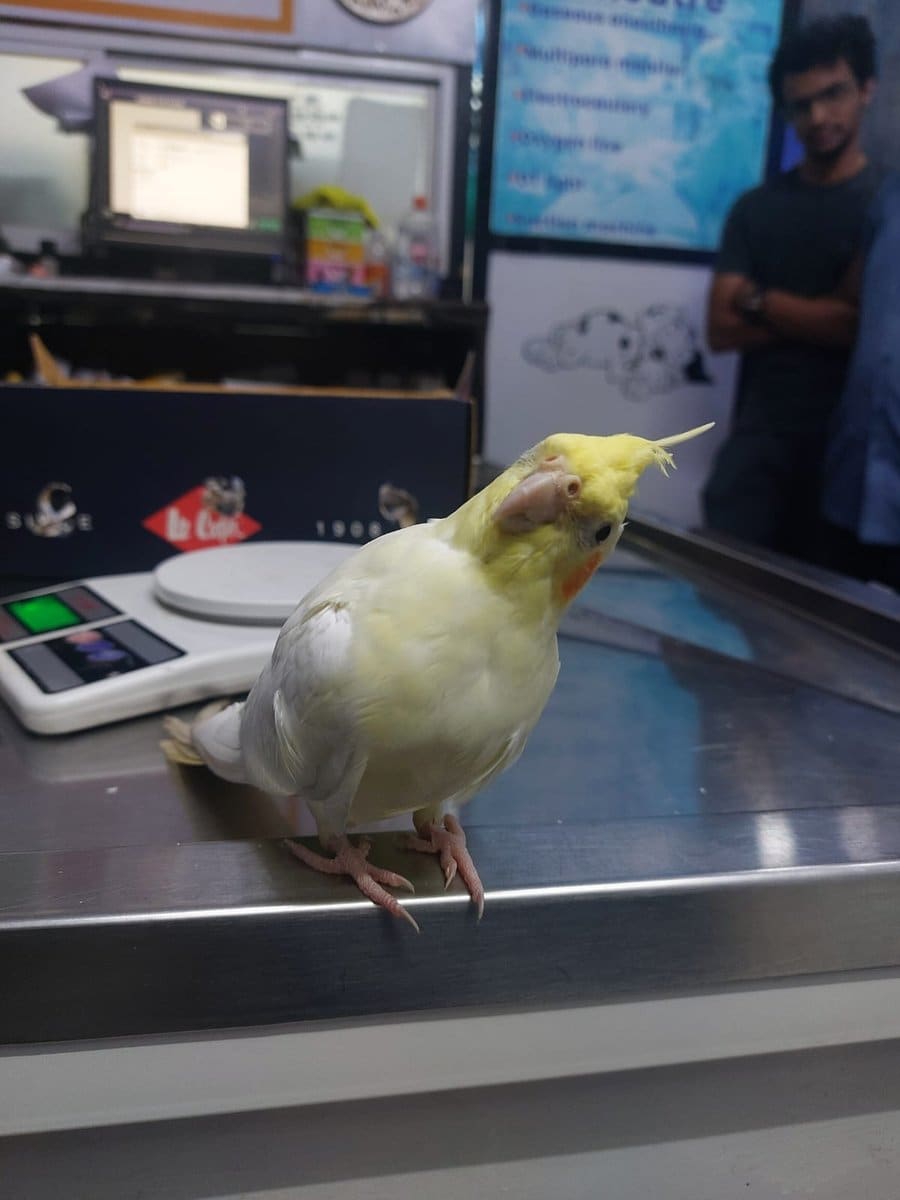
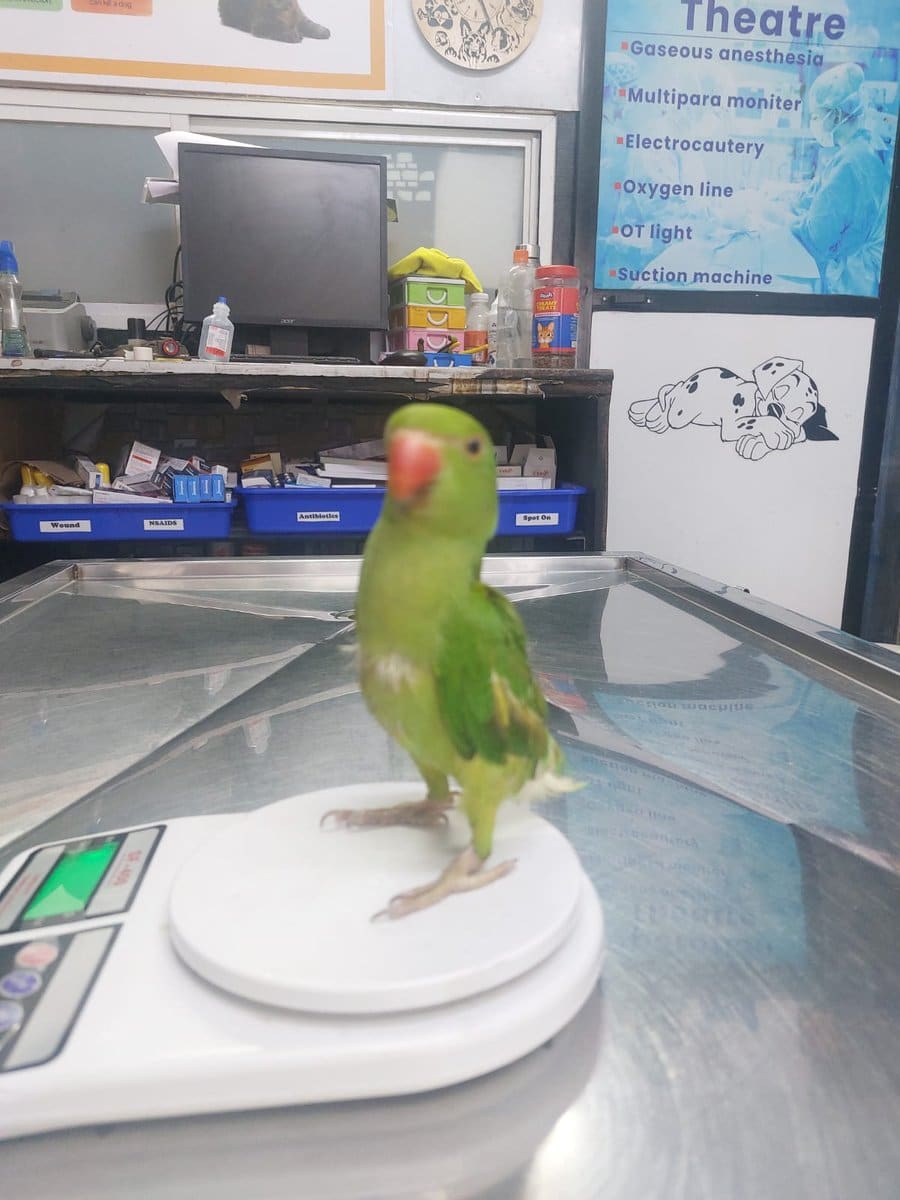
Many people are surprised when their "male" cockatiel lays an egg. In most parrot species, including African greys, macaws, many lovebirds, conures and Alexandrine-type parakeets, males and females look the same. Behaviour is an unreliable guide. Talking, singing, aggression or a tame nature does not tell you the sex.
Feather DNA sexing answers the question with a laboratory test, without surgery or anaesthesia.
How the test works
Birds have Z and W sex chromosomes. Males are ZZ and females are ZW, the opposite of the human pattern. The lab extracts DNA from the living tissue at the base of freshly plucked feathers and looks for the W chromosome. If it is present, the bird is female.
- Sample: a few (usually 5–6) small feathers plucked from the chest. Moulted feathers from the cage floor are not suitable, because the root tissue has died.
- Collection: done at the clinic in a couple of minutes with gentle, correct handling. There's no blood draw and no sedation.
- Testing: samples are sent to a specialised DNA laboratory. Results usually take about 7–10 days.
- Accuracy: very high when the sample is collected correctly and not contaminated with another bird's feathers or the handler's DNA.
Why collection technique matters
The commonest reason for a wrong or failed result is a poor sample: feathers picked from the floor, feathers from two birds mixed in one packet, or feathers handled at the root with bare hands. We collect from one bird at a time, place the feathers straight into a labelled sealed envelope, and record the band or ring number if there is one.
When knowing the sex really helps
- Pairing and breeding: "pairs" that never breed are often two birds of the same sex.
- Health care for females: hens are at risk of egg binding, chronic egg-laying and calcium depletion. Knowing your bird is female means we can watch for these problems, adjust diet (calcium, light hours) and recognise straining early.
- Understanding behaviour: hormonal nesting, regurgitating to mirrors or owners, and seasonal aggression make more sense once you know the sex.
- Records and legal documents: sex is required on some ownership, sale and transfer records for exotic species.
Good to know before you book
- Birds of any age can be tested, including chicks once feathers have grown in.
- If your bird is a plucker, or has very few chest feathers, we can collect from another area or advise a blood-based test instead.
- Combine the visit with a health check and weight record. It is a good chance to review diet, beak and nails.
Frequently Asked Questions
Does plucking the feathers hurt?
It causes brief discomfort, similar to a quick pinch. The feathers regrow at the next moult. We take only a few small ones.
Can you tell the sex from a blood sample instead?
Yes, blood is also used for DNA sexing. Feathers are usually preferred because no needle is needed, but blood can be better for birds with poor plumage.
Is it worth testing a bird I don't plan to breed?
Often yes. Knowing a bird is female helps us prevent and recognise egg-related problems, which are among the most common emergencies in pet cockatiels, budgies and lovebirds.
Keep reading