

Adopted Puppy or Kitten Not Eating: What Should You Do?
Some appetite loss in the first two days after adoption is stress. Hours without food matter far more in a puppy or kitten than in an adult. What to try at home, and the signs that mean parvo, panleukopenia or low blood sugar.
· 3 min read
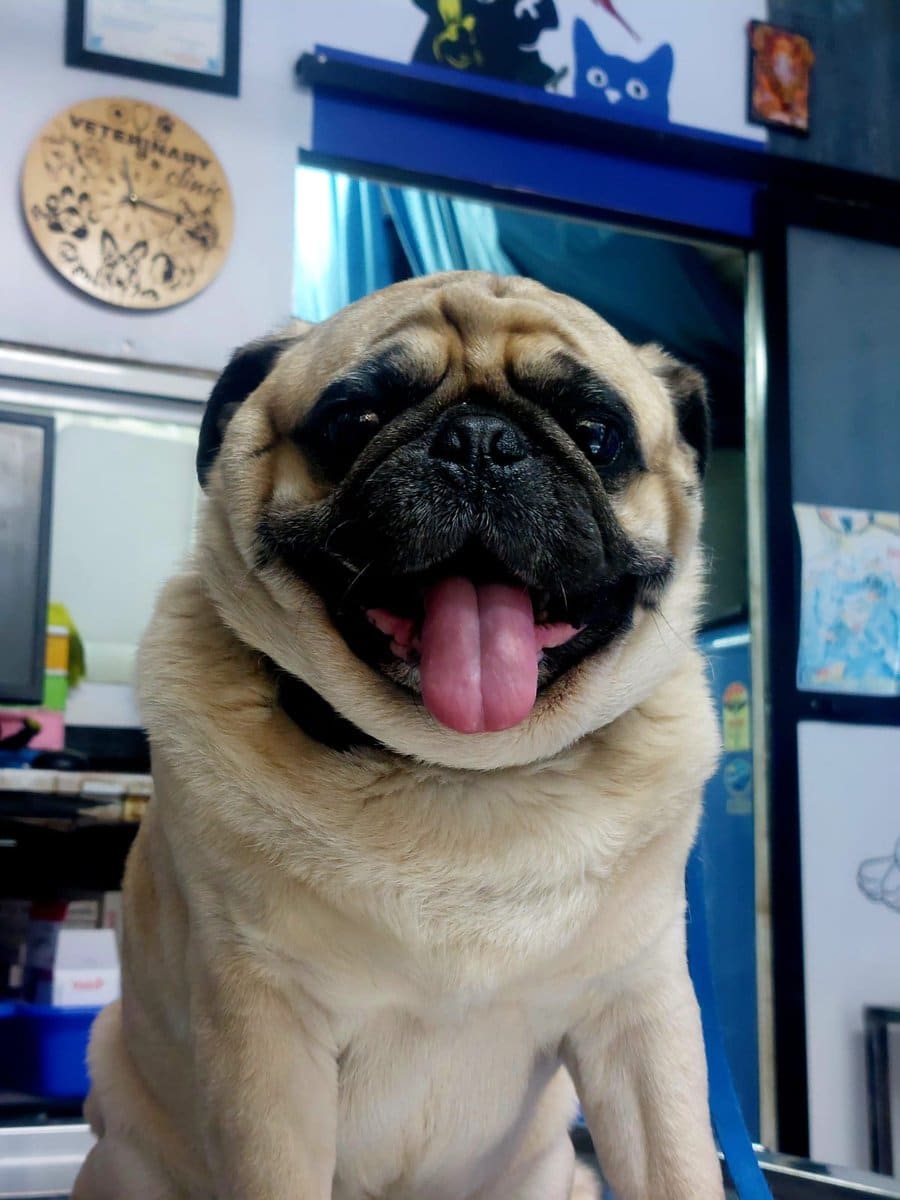
Puppies and kittens often eat poorly for the first 24–48 hours in a new home. Everything is new: the smells, the people, the floor, and often the food itself. But young animals have very small energy reserves. A healthy adult dog can skip a meal with no harm. An 8-week-old kitten that hasn't eaten for a day can develop dangerously low blood sugar.
So the question is not whether it is stress. It is how long it has been, and what else is happening.
Give it a fair chance first
- Find out what they were eating before adoption, from the shelter, breeder or foster, and feed that for the first week. Switch gradually over 7–10 days after that.
- Offer small meals 4 times a day for puppies and kittens under 3 months.
- Warm wet food slightly, to body temperature. Smell drives appetite, especially in kittens.
- Give a quiet corner with food, water and (for kittens) a litter tray close by, away from children and other pets.
- Don't hand-feed human food to "get something in". Chapati, milk or biscuits can cause diarrhoea and start a picky habit.
When it is not just stress
Many adopted puppies and kittens, especially rescues and pet-shop animals, come with infections they picked up before reaching you. The incubation periods mean these often show up 3–10 days after you bring the animal home.
Other common reasons a young animal stops eating:
- Heavy worm burden. A pot belly, dull coat, worms in stool or vomit.
- Cat flu in kittens. A blocked nose means they cannot smell food, so they stop eating even though they are hungry.
- Mouth ulcers from calicivirus in kittens, or teething discomfort in puppies around 4–6 months.
- Coccidia or Giardia. Common in shelter animals, causing soft stool and poor appetite.
- Hypoglycaemia (low blood sugar) in toy-breed puppies (Pomeranian, Chihuahua, Shih Tzu) and small kittens: weakness, trembling, a wobbly walk.
If your puppy or kitten is weak or trembling, rub a little honey or sugar syrup on the gums and come in immediately. Do not try to pour liquid into the mouth of a weak animal, because they can inhale it.
What happens at the clinic
We start with a full examination: weight, temperature, hydration, gums, mouth, belly and lungs. Depending on what we find:
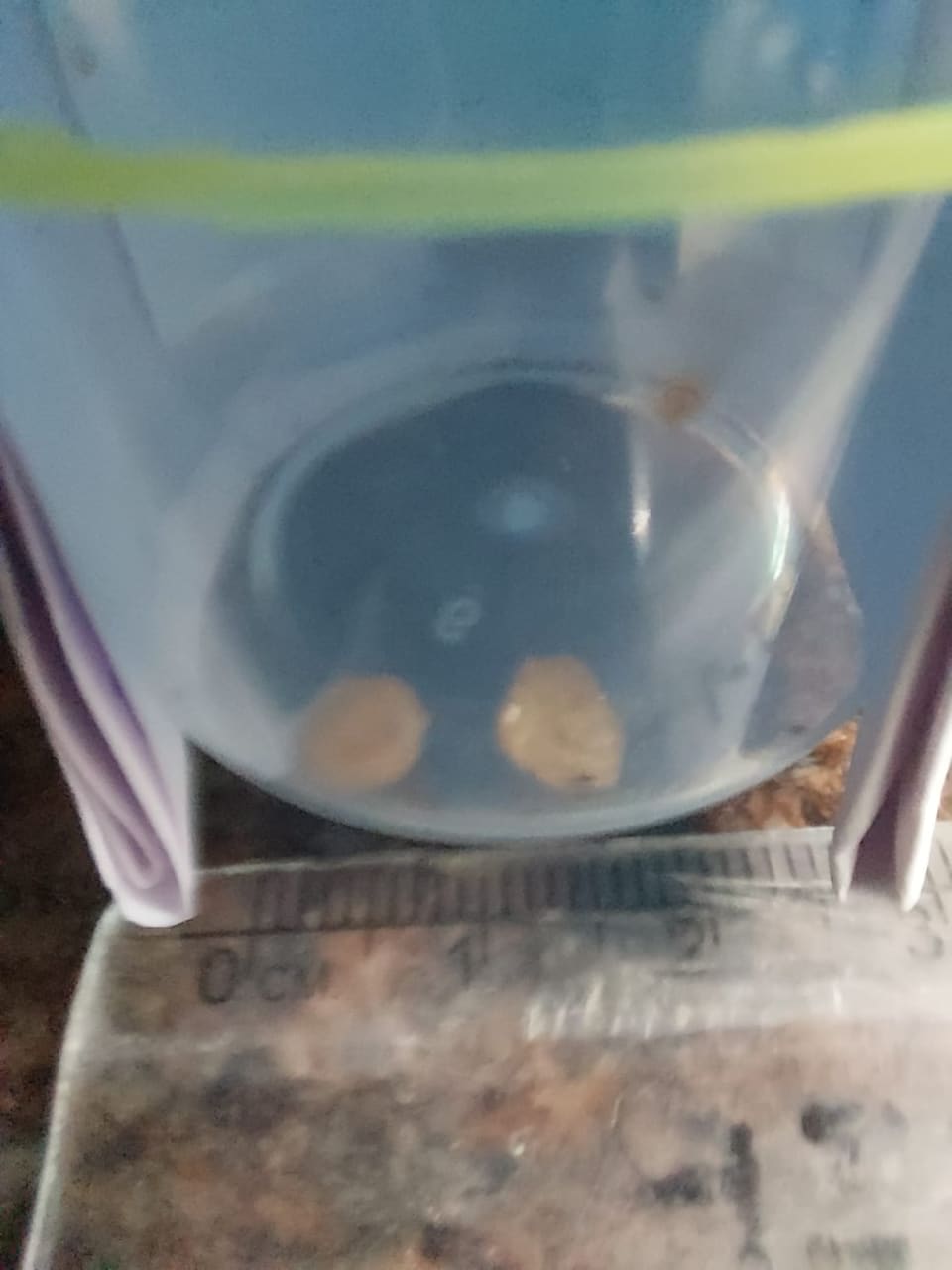
- A faecal test under the microscope for worms, coccidia and Giardia, during the visit.
- A rapid test for parvovirus (puppies) or panleukopenia (kittens) if there is vomiting or diarrhoea.
- A CBC in our in-house lab, ready in about 15–20 minutes. A very low white cell count strongly supports parvo or panleukopenia and tells us how aggressive treatment needs to be.
- Blood glucose for weak toy-breed puppies and small kittens.
We will also set up the deworming and vaccination plan at this visit, if the animal is well enough. For very sick animals, vaccination waits until they recover.
Frequently Asked Questions
How long can a kitten go without eating?
A kitten under 3 months should not go more than about 12 hours without food. Older kittens should be seen if they have not eaten for 24 hours.
My puppy eats treats but not dog food. Is that okay?
It usually means the food is unfamiliar or the puppy is being offered too many alternatives. Stop the treats, offer the original food, and remove the bowl after 20 minutes. If there is no interest in any food for a full day, get a check-up.
Should I deworm at home right away?
Ask us first. Dewormer doses depend on weight and age, and some products are not safe for very young or very sick animals.
Keep reading